
wired glass manufacturers
Bird spikes are a commonly used method to prevent birds from perching or roosting on ledges, roofs, and other surfaces. These spikes are usually made of stainless steel and come in various sizes and designs to suit different applications. One popular type of bird spike is the 3% row bird spikes stainless steel, which provides effective bird control while maintaining a discreet appearance. The stainless steel material used in these bird spikes is highly durable and weather-resistant, making them suitable for outdoor use in all types of environments. They are designed to withstand harsh weather conditions, including rain, snow, and high winds, without incurring damage or corrosion. This durability ensures that the spikes will continue to provide effective bird control for an extended period, saving property owners time and money on maintenance and replacement costs. The 3% row design of these bird spikes consists of three rows of stainless steel spikes arranged in a staggered pattern. This configuration creates a physical barrier that prevents birds from landing or perching on the protected surface. The spikes are sharp enough to deter birds from landing, but not harmful enough to cause injury. This humane approach to bird control ensures that birds are encouraged to find alternative roosting spots without causing them harm . These bird spikes are easy to install and require minimal maintenance once in place 3 row bird spikes stainless steel . They can be mounted using adhesive, screws, or cable ties, depending on the application and surface type. The spikes can be cut to size to fit any area, making them versatile and adaptable to different surfaces and configurations. Once installed, the spikes blend in seamlessly with the surroundings, providing effective bird control without compromising the aesthetic appeal of the property. The 3% row bird spikes stainless steel are suitable for a wide range of applications, including residential homes, commercial buildings, industrial facilities, and public spaces. They are commonly used on ledges, rooftops, signs, fences, and other surfaces where birds tend to perch or roost. By installing these bird spikes, property owners can protect their buildings and structures from bird damage, such as droppings, nests, and noise, while maintaining a clean and professional appearance. In conclusion, 3% row bird spikes stainless steel are a reliable and effective solution for bird control in various environments. Their durable construction, humane design, and easy installation make them a popular choice for property owners seeking to deter birds from roosting on their buildings. By investing in quality bird spikes, property owners can enjoy long-lasting bird control and peace of mind knowing that their property is protected from the nuisance and damage caused by birds.
about
wired glass manufacturers
Understanding Gauge Pin Class A Comprehensive Overview In the realm of precision engineering and manufacturing, the concept of gauge pin classes plays a pivotal role in ensuring measurement accuracy and quality control. Gauge pins are often utilized as reference tools in the checking of dimensions, particularly in hole diameters, and it is essential to comprehend the various classes and standards associated with them. What are Gauge Pins? Gauge pins, also known as gauge blocks or precision pins, are cylindrical tools used to measure or check the diameter of holes accurately. Typically made from high-quality steel or carbide, these pins are designed to provide a specific diameter that is standardized, allowing for consistent measurements across various applications. They are integral to the fields of manufacturing, quality assurance, and mechanical engineering. Classification of Gauge Pins Gauge pins are classified according to their tolerances, which define how much deviation from the nominal size is permissible. These tolerances are critical to ensure that the parts being manufactured fit together correctly. The common classes of gauge pins include 1. Class A These pins have the tightest tolerances and are used in applications where precision is paramount. They are ideal for industries that require high-quality measurements and fittings, such as aerospace and automotive sectors. 2. Class B This class allows for slightly larger tolerances than Class A while still maintaining high levels of accuracy. Class B gauge pins are often used in situations where some degree of tolerable variation is acceptable, making them versatile for general engineering applications. 3. Class C Class C pins have the widest tolerances and are typically employed in applications where precision is less critical. They are commonly used in initial checking processes or for parts that do not require a high level of accuracy. gauge pin class The classification of gauge pins ensures that engineers and quality control professionals can choose the right tool for their specific needs, improving efficiency and accuracy in the manufacturing process. Standards and Measurement The tolerances associated with gauge pins are defined by various international standards. One of the most recognized standards is ISO (International Organization for Standardization) 286, which outlines the general principles of dimensional tolerancing. These standards are crucial as they provide a universal language for manufacturers, helping to ensure that different components fit together seamlessly regardless of where they were produced. Accurate measurement using gauge pins involves the right techniques. For instance, when measuring a hole, the pin should be inserted with a steady force to avoid altering the reading due to unexpected flexing or misalignment. It’s also vital to ensure that the pins are clean and free from debris to maintain the integrity of the measurements. Applications of Gauge Pins Gauge pins are widely used across various industries. In manufacturing, they are used to verify hole sizes, ensuring that parts assemble correctly. In quality control, they help in validating the production processes by confirming that components meet specified tolerances before they leave the factory. Moreover, in the tool and die industry, gauge pins are used as references for creating molds and dies, which must be manufactured to exact specifications. They also find applications in the calibration of measuring equipment, providing reliable benchmarks that enhance the precision of other measurement tools. Conclusion In conclusion, gauge pin classes are essential elements in the field of precision measurement and quality assurance. Understanding the different classes, tolerances, and applications of gauge pins enables engineers and manufacturers to select the right tools for their specific needs, promoting high standards of accuracy and efficiency in production. As industries continue to demand higher precision, the importance of gauge pins and their classification will only grow, underscoring their integral role in the future of manufacturing and engineering. Whether in aerospace, automotive, or general engineering, the significance of gauge pins remains undeniable, confirming their place as indispensable tools in the quest for quality and precision in modern manufacturing.
-

High quality industrial productsagement

High quality industrial products
View Details -

Meet the diverse needs of customers

Meet the diverse needs of customers
View Details -

Strict quality control

Strict quality control
View Details -

Top raw materials

Top raw materials
View Details -

Trusted supplier

Trusted supplier
View Details
Our application
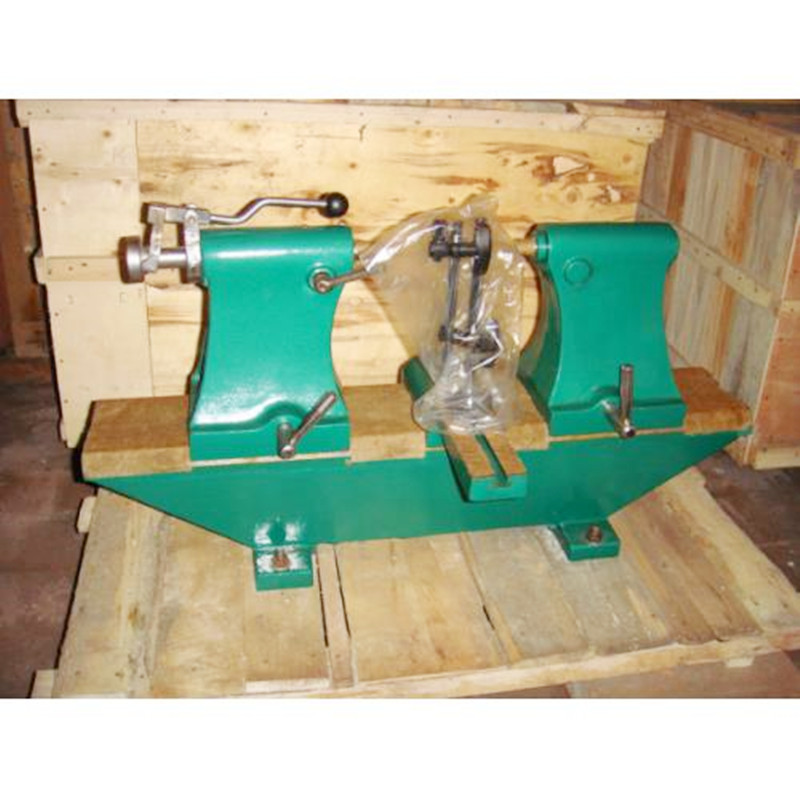
news and information
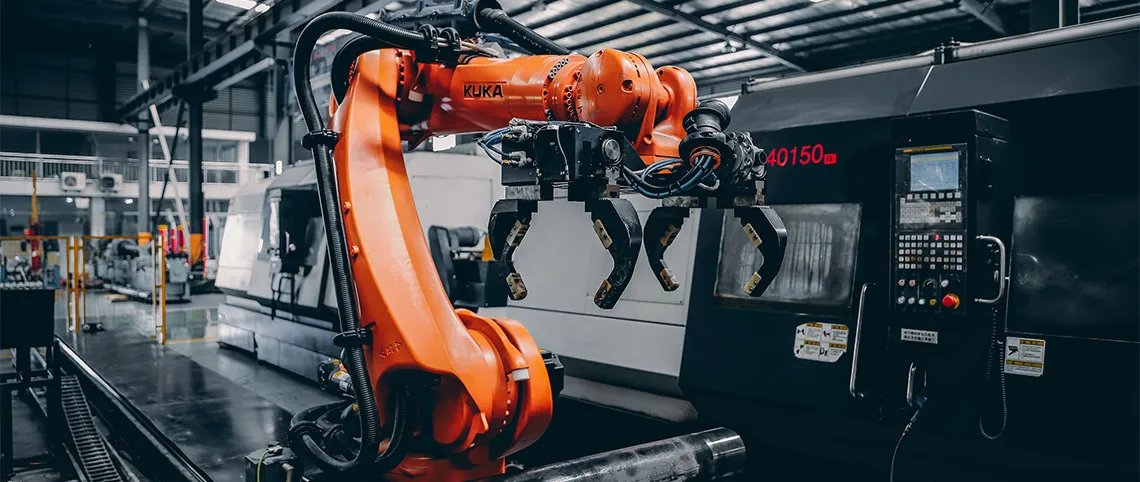
welding table total tools
The Essential Role of a Welding Table in Tool Management and Efficiency In the realm of metalworking
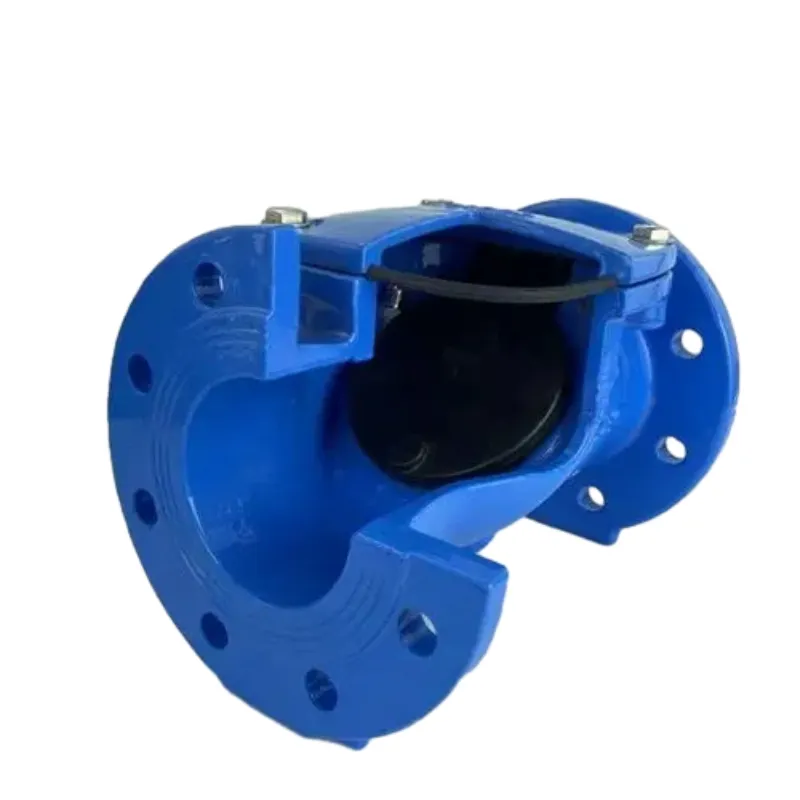
Vanne papillon de 75 mm
La vanne papillon de 75 mm Un élément clé dans les systèmes de plomberie La vanne papillon de 75 mm
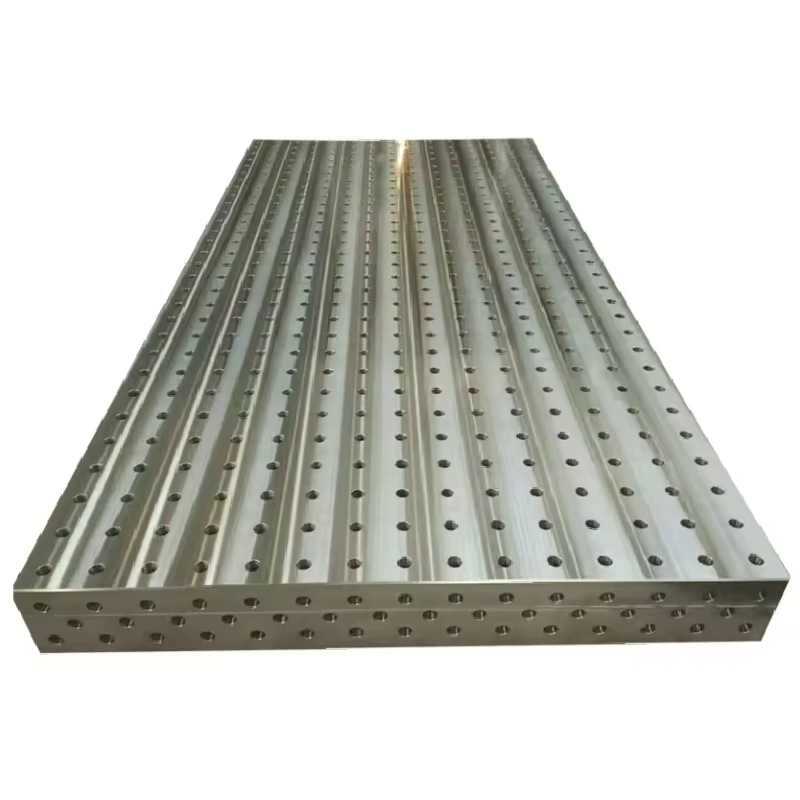
Water Shutoff Valve Installation and Maintenance Guide for Homeowners and Professionals
Understanding Water Shutoff Valves Importance and Functionality Water shutoff valves play a crucial
 English